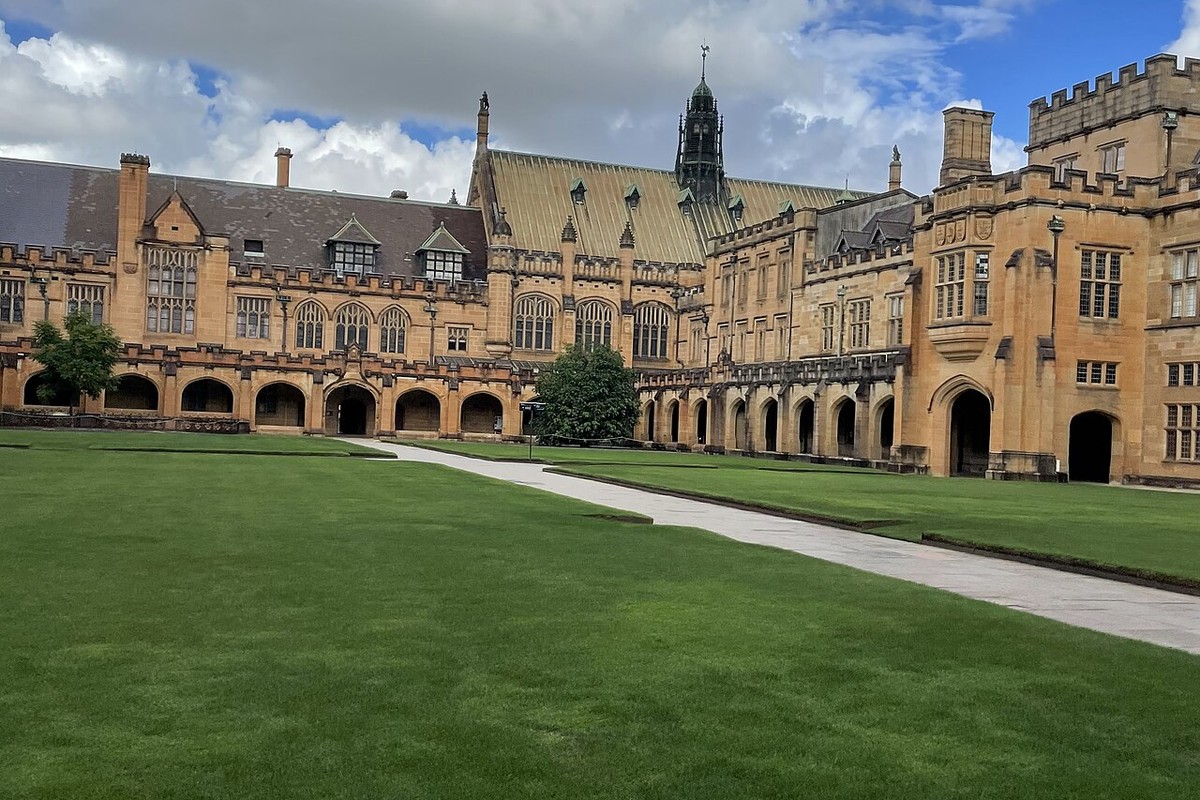
Scottish universities—Edinburgh, Glasgow, St Andrews, Stirling, Heriot-Watt, Abertay, and others—operate within a distinct higher education system following Scottish education traditions. This creates both advantages and complications for international students. Understanding Scottish degree structures, fee frameworks, and positioning is essential if you’re considering Scottish universities alongside English counterparts.
The Four-Year Degree Structure
The most distinctive feature of Scottish universities is the four-year undergraduate degree (as opposed to the three-year degree standard in England, Wales, and Northern Ireland).
Structure:
- Year 1: Broad foundational courses across multiple disciplines (even STEM students take humanities; humanities students take science)
- Years 2–4: Progressive specialization in your chosen subject(s)
Benefits:
- Greater breadth: You gain broad education before specializing, aligned with Scottish Enlightenment traditions valuing holistic learning
- Flexibility: You can change your specialization in year two with fewer consequences than in English three-year systems
- Deeper specialization: By year four, you’ve had more time to develop advanced expertise in your chosen field
Drawbacks:
- One extra year of study and cost
- Delayed entry into the job market by one year relative to English graduates
- Some employers unfamiliar with Scottish degree structure may initially underestimate the qualification
Fee Structure for International Students
Scottish universities charge international students substantially higher fees than domestic Scottish or UK students—aligning them roughly with English university fees—but maintain different fee structures than English universities.
Typical international fee ranges (per year):
| University | STEM | Humanities | Medicine |
|---|---|---|---|
| Edinburgh | £23,000–£31,000 | £17,000–£26,000 | £31,000–£40,000 |
| Glasgow | £19,000–£28,000 | £15,000–£22,000 | £27,000–£35,000 |
| St Andrews | £19,000–£29,000 | £15,000–£23,000 | £28,000–£36,000 |
These are comparable to English universities but often slightly lower. The four-year degree means your total cost is higher (4 years x fee vs. 3 years x fee), offsetting any per-year savings.
Domestic Fee Differences (Less Relevant, But Worth Understanding)
Scottish students pay reduced fees (or no tuition fees) at Scottish universities through a government-funded scheme. English and international students pay significantly more. This creates an unusual situation where the same degree has vastly different fees depending on your nationality—a Scottish student pays £0/year; an international student pays £20,000+/year for the same degree. This reflects Scottish education policy prioritizing access for Scottish citizens.
Scottish Universities and Global Standing
Edinburgh ranks in the global top 30 and is recognized worldwide. It’s at the apex of Scottish universities and competes with Durham and Warwick among UK institutions. Edinburgh Medicine is world-renowned; engineering and sciences are strong.
Glasgow ranks in the global top 50–80 and is well-regarded globally, particularly in engineering and sciences. It’s a strong research university but slightly less prestigious internationally than Edinburgh.
St Andrews is distinctive: a small, elite university (approximately 7,500 students) ranked in the global top 100. It’s known for excellent teaching and a close-knit, residential college environment (somewhat similar to Oxbridge). Admission is selective (approximately 10–12% acceptance rate), and it’s popular with UK and international students seeking a boutique university experience.
Other Scottish universities (Stirling, Heriot-Watt, Abertay) are respectable teaching-focused institutions ranking in the UK top 100–150 but with less global recognition than Edinburgh, Glasgow, or St Andrews.
Scottish Higher Education Council and UCAS
Scottish universities participate in UCAS and follow the same application timeline as English universities. However, they’re governed by the Scottish Funding Council rather than the English Office for Students. This doesn’t meaningfully affect international applicants beyond knowing that Scottish universities have distinct governance.
Research and Research Funding
Scottish universities receive research funding from UK Research and Innovation (UKRI) and Scottish Funding Council. Both Edinburgh and Glasgow attract substantial research income (approximately £650+ million annually for Edinburgh; £450+ million for Glasgow), reflecting strong research cultures.
According to 2024 UK public admissions data, approximately 69% cited research quality and supervisor accessibility as primary motivators for choosing Scottish universities. This reflects Scottish universities’ research emphasis, particularly at postgraduate level.
Edinburgh’s research standing is comparable to Manchester; Glasgow’s is comparable to Durham or Warwick. They’re less research-intensive than G5 universities but maintain strong research cultures and funding.
Advantages of Scottish Universities for International Students
1. Slightly lower fees (per year): Though four-year programmes offset this, per-year fees are often £2,000–£5,000 lower than English universities.
2. Strong international reputation: Edinburgh and Glasgow are recognized worldwide; degrees are portable globally.
3. Four-year breadth: If you value broad-based education and changing specialization, the four-year structure is genuinely advantageous.
4. Smaller class sizes and teaching focus: Scottish universities, particularly St Andrews, emphasize teaching quality and student engagement more explicitly than some English competitors. Student-to-staff ratios are competitive.
5. Campus-based experience: Edinburgh, Glasgow, and St Andrews all offer cohesive campus experiences. Housing is available and affordable relative to London universities.
6. Cost of living outside London: Edinburgh and Glasgow are less expensive than London. Glasgow particularly is affordable (living costs approximately £10,000–£13,000/year vs. London’s £15,000–£20,000).
Disadvantages and Complications
1. One extra year: A four-year degree delays your career entry by one year and costs an additional year of tuition and living expenses.
2. Less prestige than G5: If you’re targeting positions where prestige matters (banking, law, elite consulting), Edinburgh is strong but doesn’t match Oxbridge/Imperial/LSE in those fields.
3. Fewer scholarships: Scottish universities offer fewer international scholarships than English universities. Funding for international students is limited.
4. Specialization breadth (mixed advantage): The four-year structure’s breadth is an advantage if you’re undecided about specialization. It’s a disadvantage if you want to specialize immediately and resent mandatory courses outside your field.
5. Geographic isolation: Glasgow and Edinburgh are further from London and continental Europe than English universities. This matters if you want internships in London or frequent travel to Europe.
Comparison: Scottish vs. English Universities
If you’re choosing between Edinburgh and, say, Durham (similar prestige level):
- Edinburgh: Four-year degree, slightly lower fees per year, more research-intense, urban campus (Edinburgh is beautiful)
- Durham: Three-year degree, comparable fees overall, slightly stronger for humanities/law, smaller residential campus
The choice hinges on your preference for breadth vs. specialization, urban vs. collegiate experience, and whether you mind the extra year.
If you’re choosing between Glasgow and Manchester (similar tier):
- Glasgow: Four-year degree, slightly lower fees, Scottish campus experience
- Manchester: Three-year degree, more engineering prestige, larger city, easier internship access
Again, the choice is primarily structural (four vs. three years) and environmental (Glasgow’s character vs. Manchester’s).
Post-Study Work and Career
The Graduate Route (post-study work visa) applies to Scottish graduates identically as English graduates. Scottish degree holders face no employment disadvantage in UK or global markets; the four-year degree is recognized and respected. However, the extra year means you enter the job market one year later than three-year degree holders.
Should You Choose a Scottish University?
Choose Scottish if:
- You’re attracted to one of the universities specifically (Edinburgh’s research, St Andrews’ undergraduate focus, Glasgow’s engineering)
- You value broad education before specializing
- You’re cost-conscious and want to minimize debt (though four years offset per-year savings)
- You want a campus-based experience outside London
- You’re not in a hurry to enter the job market
Skip Scottish if:
- You want to enter the job market quickly (three-year degree advantage)
- You’re certain of your specialization and resent breadth requirements
- You’re targeting highly competitive fields where prestige matters (law, consulting); English universities have marginal advantage
- You want to minimize total cost (four-year programmes cost more overall)
Sources
Scottish Funding Council Official Information; UCAS Official Data on Scottish Universities; QS World University Rankings 2025 (Scottish universities); Times Higher Education 2026; National Student Survey 2024 (Scottish universities data); Individual Scottish university websites and prospectuses; Scottish education system information (Gov.scot).
Last updated: 2026-02.